
Maintaining a lush, green lawn in the Twin Cities isn't just about throwing down fertilizer whenever the grass looks a little pale. Our harsh winters, freeze-thaw cycles, and variable spring/summer weather means your lawn needs thoughtful nutrition to thrive without stress or waste. Many homeowners and companies follow a traditional 5-application fertilization program, spreading treatments across the season for frequent nutrient boosts. But there's growing interest in simpler, more efficient approaches, like a 3-round program focused on slow-release fertilizers. These fertilizers are designed to deliver steady, consistent results with less intervention.
This isn't about cutting corners; it's about working smarter with how grass actually grows in our climate. Let's explore why a 3-round, slow-release-focused strategy can provide more even, reliable nourishment compared to more frequent quick-hit applications.
Understanding Slow-Release Fertilizers: Nature's Steady Feed
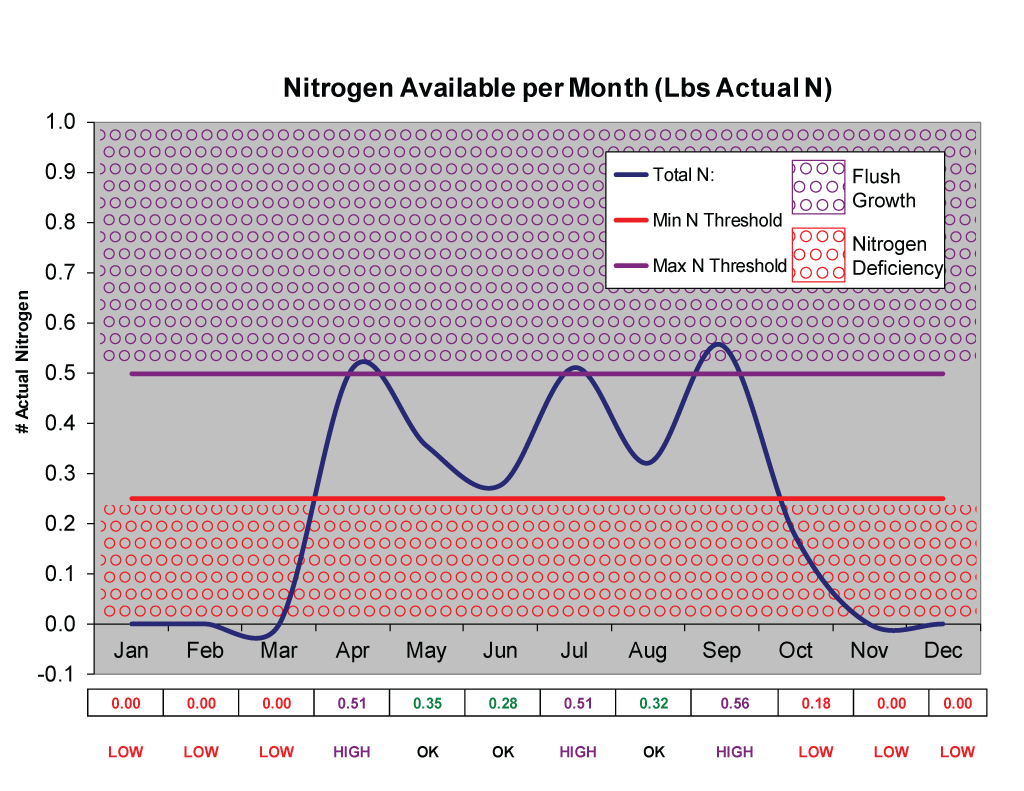
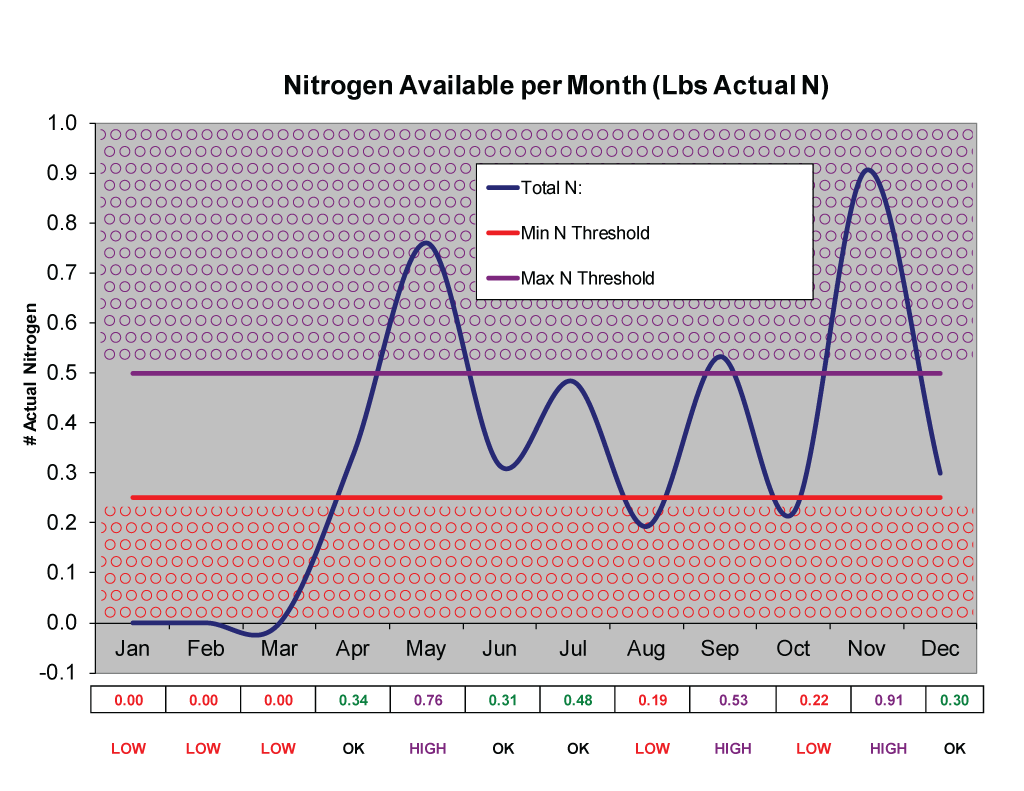
Traditional quick-release fertilizers dump a large dose of nutrients (especially nitrogen) all at once. Your lawn gets a fast green-up, but that burst often leads to rapid top growth, more mowing, potential burn if conditions aren't perfect, and nutrients that can leach away during heavy rains.
Slow-release fertilizers work differently. They use coatings (like polymer or sulfur-based) or organic sources that break down gradually. The key trigger? Soil temperature. Microbes and moisture in the soil activate the release process, so nutrients become available as the ground warms up naturally in spring and stays consistent through summer. This mimics how healthy soil feeds plants in natural prairies.
In cool-season grasses like Kentucky bluegrass, fescue, or ryegrass, this gradual delivery promotes:
- Deeper root development
- More even color and density
- Less risk of over-fertilization spikes
- Reduced nutrient runoff into our local lakes and wetlands
Nitrogen Release Curve of a 3-Application Program
Nitrogen Release Curve of a 5-Application Program
Photos courtesy of EC Grow Fertilizer Products.
The result is a lawn that stays resilient through dry spells, heat waves, or our unpredictable weather without the "ups and downs" that come from frequent nutrient boosts.
Why 3 Rounds Can Outperform 5
A typical 5-round program usually includes applications in early spring (pre-emergent + starter), late spring, early summer, late summer, and fall (winterizer). Each hit provides a quick nutrient shot, but the lawn can experience peaks of lush growth followed by plateaus or stress if timing or weather doesn't align perfectly.
A well-designed 3-round program (often timed for early spring, mid-summer, and late fall) relies heavily on slow-release formulas to stretch coverage across the season. Here's why this can lead to steadier results:
- Consistent nutrient flow — Instead of short bursts, the slow-release mechanism (regulated by soil temperature) provides a measured supply over 8-12+ weeks per application. Your grass gets what it needs when it needs it, avoiding feast-or-famine cycles.
- Fewer stress points — More applications mean more chances for overlap, over-application, or burn during hot/dry periods. Three targeted rounds reduce traffic on the lawn and minimize those risks.
- Better root focus — Slow-release encourages roots to grow deeper, seeking steady nutrients, improving drought tolerance and winter hardiness. These are huge advantages in Minnesota's variable climate.
- Environmental and practical wins — Less frequent treatments mean lower overall chemical use, reduced runoff potential, and usually a smaller annual fertilizer bill.
Of course, every yard is different. Soil type, sun exposure, grass variety, and frequency of watering and mowing all play a role. A soil test is the best way to confirm exact needs.
Practical Tips for Fertilizing Your Twin Cities Lawn This Season
To get the most from any program:
- Always start with a soil test to avoid guessing on pH or nutrient levels.
- Most big box store fertilizers use large percentages of filler material, meaning you get less bang for your buck.
- Choose products with at least 40-50% slow-release nitrogen for longer feeding.
- Apply products in accordance with soil temperatures.
- Avoid fertilizing during extreme heat or drought. Wait for cooler, moist conditions.
Whether you go with 3 rounds or more, the goal is the same: a thick, healthy lawn that handles our Minnesota seasons without constant babysitting. Focusing on quality, timed, slow-release nutrition often delivers that consistency with simpler maintenance.
If you're tired of patchy results or want local, expert advice tailored to your yard, reach out! We're happy to chat about what might work best for you.
Ready for a healthier lawn this spring? Contact us today for a free consultation.