
For homeowners in the Twin Cities metro, from the hills of Eagan to the growing neighborhoods of Lakeville, the sight of melting snow is the official starting gun for the gardening season. After months of white and gray, the itch to get some vibrant color back into the landscape is real.
However, if there is one thing we know about a Minnesota "Spring," it's that the weather is anything but predictable. We can have a 65-degree afternoon followed by a weekend of slushy snow and a hard overnight freeze. This volatility makes planting a bit of a gamble if you don't choose the right varieties.
At StrongYard Services, we believe a great yard starts with smart, local choices. To help you get your garden beds and containers off to a winning start, we've expanded our guide on the best flowers to plant first, backed by the gold standard of local research: the University of Minnesota (UMN) Extension.
1. Understanding the "Frost Factor" in the South Metro
Before you head to the local nursery, it's vital to understand the difference between cold-hardy and tender plants. According to the UMN Extension, many of our favorite summer staples, like geraniums, petunias, and begonias, simply cannot handle the erratic night temperatures of an early MN April. These are "tender" plants that should generally stay indoors or in the greenhouse until the danger of frost has passed, which for our area is typically mid-to-late May.
Instead, early-season success depends on finding "cold-tolerant" annuals and early-emerging perennials. These are the "tough guys" of the floral world that don't mind a little frost on their petals or a chilly morning fog coming off the Minnesota River.
2. The Heavy Hitters: Pansies and Violas
If you want color in the ground the moment the soil is workable, look no further than Pansies and Violas. These are the undisputed champions of the early Minnesota spring.
Pansies are incredibly resilient; they can actually survive a light freeze and keep right on blooming. The UMN Extension notes that while they thrive in the cool weather of April and May, they may begin to fade once the true humidity of a Minnesota July hits. This makes them the perfect "bridge" plant to give your curb appeal an immediate boost while you wait for your summer perennials to wake up.
Pro Tip: If a particularly nasty cold snap is predicted (temps dropping into the low 20s), a light frost blanket or even an old bedsheet draped over your pansies overnight can help protect the most delicate blooms.
3. Cold-Tolerant Annuals for Containers
If you're looking to fill containers or window boxes early in the season to brighten up your entryway, consider these two reliable options:
- Snapdragons: These vertical beauties offer a variety of heights and colors. They are much more tolerant of chilly nights than most people realize. Their "spike" shape adds a great architectural element to a spring planter.
- Sweet Alyssum: This creates a low-growing carpet of tiny, fragrant flowers. Not only does it handle the cold well, but it's also one of the first plants to provide a vital food source for early-season pollinators that are just starting to emerge in Apple Valley and Rosemount.
4. The "Plant it and Forget it" Heroes: Spring Bulbs
While the best time to plant bulbs like Tulips, Daffodils, and Crocus is actually in the fall (as highlighted in UMN Extension's guide to hardy bulbs), many local garden centers sell "forced" bulbs in pots during the spring.
If you missed the window to plant them last October, you can buy these pre-sprouted pots and tuck them into your garden beds or decorative planters for instant gratification.
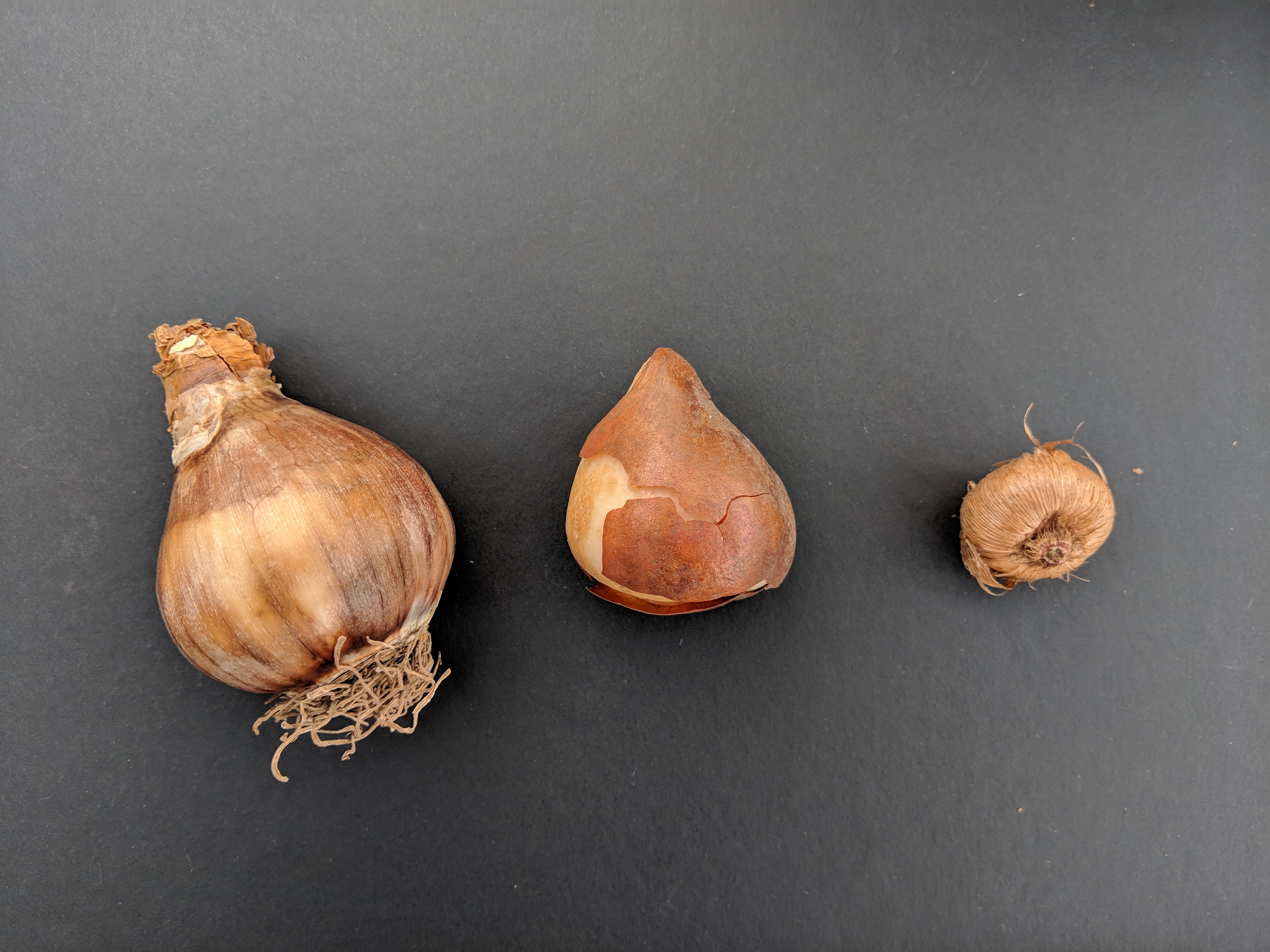
Types of bulbs (Left to right): Daffodil (true bulb), tulip (true bulb) and crocus (corm). Picture provided by the University of Minnesota Extension
A Note on Pests: In the southern metro, we have a healthy population of deer and rabbits. If you are planting tulips, be prepared, they are basically "deer candy." If you want a bulb that won't be eaten, the UMN Extension highly recommends Daffodils. They contain a bitter alkaloid that most critters find distasteful, ensuring your yellow blooms stay on the stem.
5. Bleeding Hearts: The Shady Spring Favorite
For the shaded corners of your yard, perhaps under that big oak tree in your backyard, the Old-Fashioned Bleeding Heart (Lamprocapnos spectabilis) is a classic Minnesota perennial. These plants are tough as nails and among the first to send up lush green foliage as the ground thaws.
By late April or early May, they produce those iconic heart-shaped flowers. According to UMN Extension plant guides, these are "ephemeral" in some cases, meaning they might go dormant and disappear once the heat of summer arrives, so they are best paired with later-blooming shade lovers like Hostas or Ferns.
6. Soil Preparation: Don't Dig Too Early!
One of the biggest mistakes we see homeowners make is jumping the gun on digging. The UMN Extension warns that working soil when it is too wet can cause long-term damage.
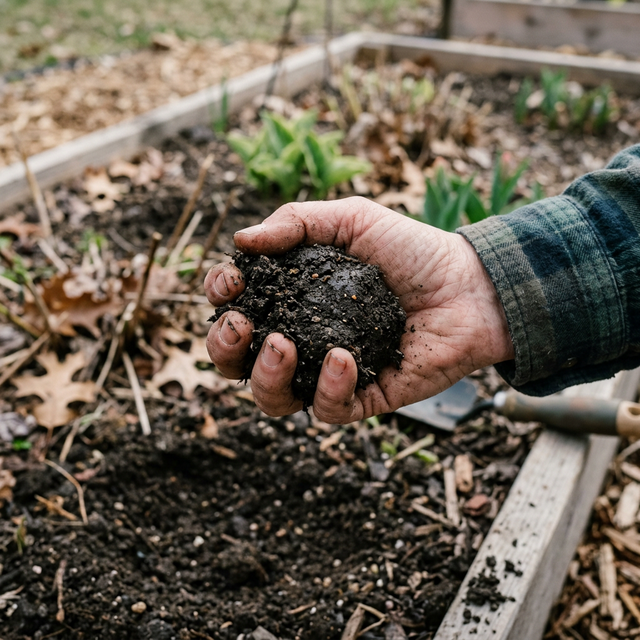
The Squeeze Test: A simple way to check if your MN soil is ready for planting. Visualization by StrongYard Services.
The Squeeze Test:
- Pick up a handful of garden soil.
- Squeeze it into a ball.
- If the ball stays together in a sticky mess, it's too wet.
- If the ball crumbles easily when you poke it, you're ready to plant.
Working wet soil destroys the "pore space" between soil particles, which roots need for air and water movement. If you compact your soil in April, your plants will struggle for the rest of the year.
7. The "Early Bird" Spring Maintenance Checklist
While you are waiting for the soil to dry out enough for your flowers, there are several tasks you can do to prep your yard for the busy season.
- Gentle Raking: Once the snow is gone, give the lawn a light rake to remove "matted" grass (often caused by snow mold). This helps the soil breathe and encourages the grass to green up faster.
- Pruning: Late winter/early spring is a great time to prune many deciduous trees and shrubs while they are still dormant. However, check UMN Extension guides before you cut—some shrubs, like Lilacs, shouldn't be pruned until after they bloom, or you'll be cutting off this year's flowers!
- Edge Your Beds: Using a spade to create a crisp line between your grass and your flower beds is one of the easiest ways to make your yard look professionally maintained.
8. Why Local Knowledge Matters
Every neighborhood in the southern Twin Cities has its own micro-climate. A sun-drenched flower bed in a newer Lakeville development is going to warm up much faster than a shaded, north-facing garden in an established Burnsville neighborhood near the park system.
Getting your spring garden right is all about observing your specific patch of earth. At StrongYard Services, we live and work in these same communities. We know the soil types, the common pests, and the local weather patterns. We don't just mow; we help you understand how to make your entire property thrive.
9. Conclusion: Start Small, Think Big
You don't need to replant your entire yard in mid-April. Start with a few pots of pansies near your front door and a few early perennials in your beds. As the weather stabilizes toward the end of May, you can begin introducing your more delicate summer favorites.
A beautiful garden deserves a beautiful frame. If your lawn is looking a little tired after the snowmelt, or if you want to ensure your grass is healthy enough to complement those new spring blooms, we're here to help. From our specialized fertilization programs to precision mowing, we take the guesswork out of yard care.
Ready to make your yard the standout of the neighborhood? Contact us today for a free quote!