
As a Midwest lawn care guy who has been through many winters with my Twin Cities clients, I know the excitement (and sometimes dread) that comes when the snow finally starts melting in late February or March. The ground thaws, your yard reappears... and so do the surprises winter left behind.
The transition period right after snowmelt but before true spring growth kicks in is critical. Cool climate grasses like Kentucky bluegrass and fescues (basically what everyone in Minnesota has) are still dormant or just waking up, making them extra vulnerable. Walking on saturated soil too soon can cause serious issues, and ignoring early signs means bigger problems down the line.
Here are the main things to look for as your lawn emerges, plus tips to protect it during this fragile window.
1. Vole Tunnels and Runways
Voles (not moles) stay active throughout the Winter months, using snow cover as insulation and protection from predators. They chew through roots and stems and create surface trails while feasting on your lawn.
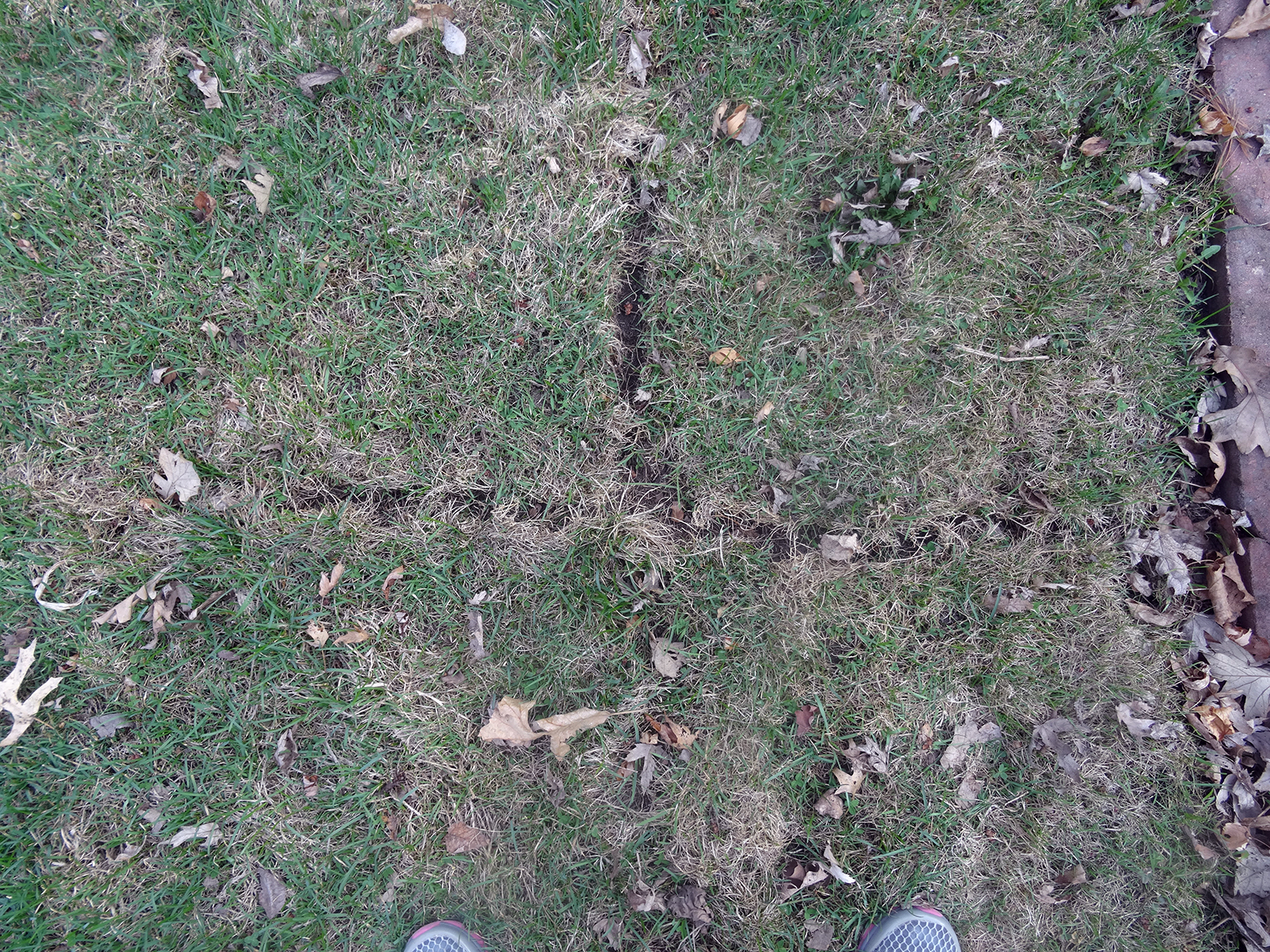
Picture provided by the University of Minnesota Extension
What to look for:
- Crisscrossing shallow trenches or runways (1-2 inches wide) across the grass, often in irregular, interconnected patterns.
- Small piles of dead grass clippings along the paths.
- Brown, dead patches where they've gnawed roots or stems.
These show up dramatically right after melt because the snow hid everything. In heavy snow years like some we've had, vole damage can look alarming, but most lawns bounce back with time and proper care.
What to do: Lightly rake to fluff matted areas and remove debris. Avoid heavy foot traffic. If damage is severe, overseeding or a complete reseed may be necessary. The voles most likely did not relocate any soil material, so new soil is probably not necessary. Consult a local professional if your vole damage is too large to take on by yourself.
2. Soil Compaction from Snow and Ice
Heavy, wet snow piles (especially from plowing or foot traffic) compress soil, squeezing out air pockets that roots need. Compaction will also make it harder for water and fertilizer to penetrate your soil surface later in the season.
What to look for:
- Soil feels rock-hard even when thawed.
- Puddling or slow drainage in low spots.
- Grass looks sparse or slow to green up.
Big reminder: Keep traffic off your lawn as long as possible! Saturated soil in early spring is very susceptible to compaction. Walking, kids playing, or even pets can create ruts, crush crowns, and stunt root growth. Wait until the ground is firm and dry (no squish when you step). This often does not happen until mid-to-late April in MN depending on the weather.
3. Debris Buildup and Matted Grass
Leaves, branches, pine needles, and other kinds of winter junk pile up under snow.
What to look for:
- Thick layers of wet, matted debris smothering grass.
- Clumped, plastered-down blades that look "stuck" to the soil.
What to do: This blocks light and air and invites mold. Gently rake once dry to break up debris. It is important to not go too aggressive early, or you will pull up weak roots. No fancy equipment is required; a simple hand rake works best.
4. Salt Buildup from De-Icing
Road salt, driveway salt, or pet-safe alternatives splash or get tracked onto lawns.
What to look for:
- Brown, burned-looking patches along edges, sidewalks, or driveways.
- White, crusty residue on soil once dry.
- Brittle, dehydrated grass blades.
What to do: Salt draws moisture out, dehydrating grass. Once the ground has thawed, you can flush out salt build-ups with a hose. Do this gradually to avoid too much topsoil runoff. If too much salt has entered your soil, it may be necessary to replace with fresh topsoil and reseed effected areas.
5. Snow Mold (Gray or Pink Patches)
A common fungal issue under prolonged snow cover, especially in wet, shaded spots.
What to look for:
- Circular or irregular matted patches (a few inches to feet wide) gray/white or pinkish in color.
- Fluffy or crusty fungal growth, sometimes a musty smell.
Gray snow mold usually greens on its own; pink may need attention. Rake lightly to dry and aerate once dry.
Other Transition Pointers for Upper Midwest Yards
- Don't rush mowing or heavy cleanup: Wait for grass to hit 3-4 inches and soil to dry. Mow no more than 1/3 of grass height for the first time.
- Light raking only: Use a leaf rake to fluff matted spots and remove debris. Wait for completely dry conditions to take equipment on your lawn.
- Monitor for puddling/low spots: Poor drainage worsens compaction and mold consider aeration in the spring to relieve compaction.
- Avoid early fertilizing: Early fertilizing can burn roots or feed weeds. Wait until soil temps hit 50-55°F consistently.
- Watch weather swings: Freeze-thaw cycles can heave soil or cause crown damage. The last thing anyone wants is to spend a few hours on their lawn and get 6" of snow dumped on them the next week.
This Winter wrap-up phase is your lawn's recovery time. Acting smart now sets up a thick, green yard for summer enjoyment.
If you're spotting these signs in your southern Twin Cities yard and want a professional opinion, StrongYard Services is here to help. We specialize in spring cleanups that remove leaves and debris, address compaction and other issues, and get your lawn ready without the hassle.
Book a free quote today at strongyardmn.com/contact or give me a call. Spots fill up fast once the snow starts to melt. Let's get your yard back to its best before the real spring rush!